


Thinking isn’t the problem.
What you do with it is.
A practice grounded in existential psychology, cognitive science and neuroscience. For people who want to understand their thinking, not just manage it.
What brings people here?
Most people who arrive here are not in crisis. Something has been running in the background for a while. Decisions that should feel clear keep getting deferred. The same thoughts surface regardless of what changes on the outside.
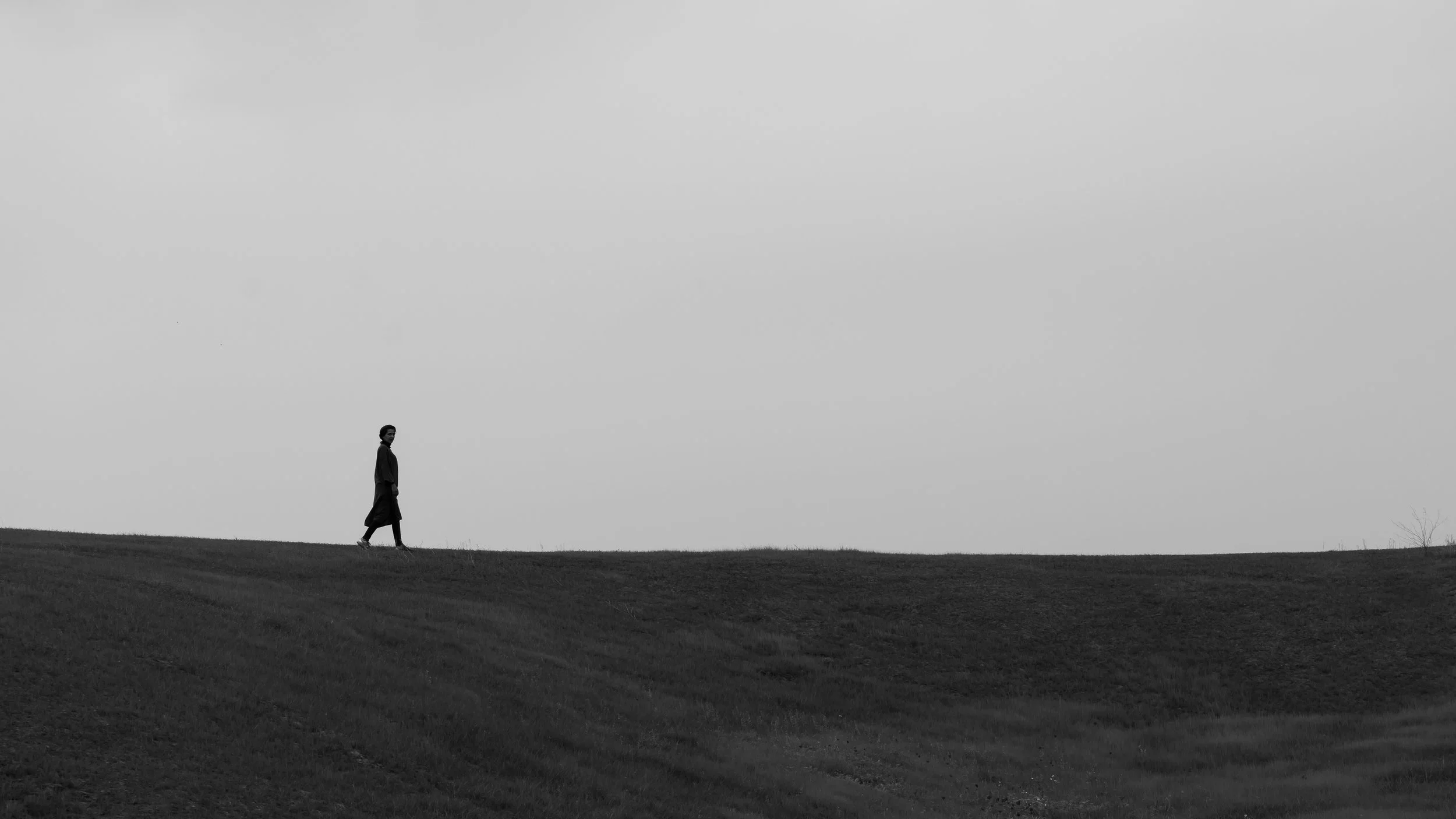
That persistent return is not a character flaw. It is the mind circling a question it has not had the chance to properly examine. About direction, identity, or what the current situation is actually costing. The thinking keeps returning because it has somewhere to go. It hasn't got there yet.
What happens next?
Us Together is a structured way of working through thinking that keeps returning to the same ground. The approach draws on psychology, neuroscience and philosophy. From the start, you and the practitioner define what you are working toward and what progress looks like. Most clients work weekly. The work ends when it has done what it set out to do.
-
You bring a question or a pattern you want to work through. The practitioner works with you to understand what is driving it, what it is pointing toward, and what an honest next step looks like. You leave with something you can use independently.
-
This is not a coaching programme built around tools without explanation of why they work. It is not open-ended support without a defined direction. The aim is not to manage a problem indefinitely. It is to reach a point where you no longer need to come back.
-
Therapy is not a stepping stone to be left behind. For many people it is essential, and this work is not a substitute for it. Us Together sits alongside or follows clinical support, beginning where that work has created space for a different kind of question.


How it works in practice
The Reflective Agency Model is the framework used in every session. It was developed through working with people who think deeply and find the same patterns returning regardless of what changes around them.
It moves through five stages. Each one addresses something specific, from the first signal that something is off to a clear direction grounded in what you actually value.
-
A persistent sense that something is off. Not a crisis. A quiet signal that where you are and where you need to be are no longer the same place.
-
The mind keeps returning to the same questions without arriving anywhere. This is not an inability to move forward. It means reflection has become disconnected from direction.
-
The work here goes beneath the surface of the presenting thought. Not to silence it, but to understand what it is protecting and what it is actually pointing toward.
-
Not what you think you should want, and not what others expect of you. What you actually value, identified through examination of the thinking rather than reaction to it.
-
Decisions grounded in what you know about yourself. Choices that hold up under pressure because they were built from the right foundation.
he aim is not to arrive at a conclusion decided in advance, but to reach a point where you understand your own thinking well enough to act from it
Who you work with
My background is in psychology and neuroscience, with a number of years as a teacher before that. That combination shapes how I work, taking research and making it usable in a conversation rather than a lecture.
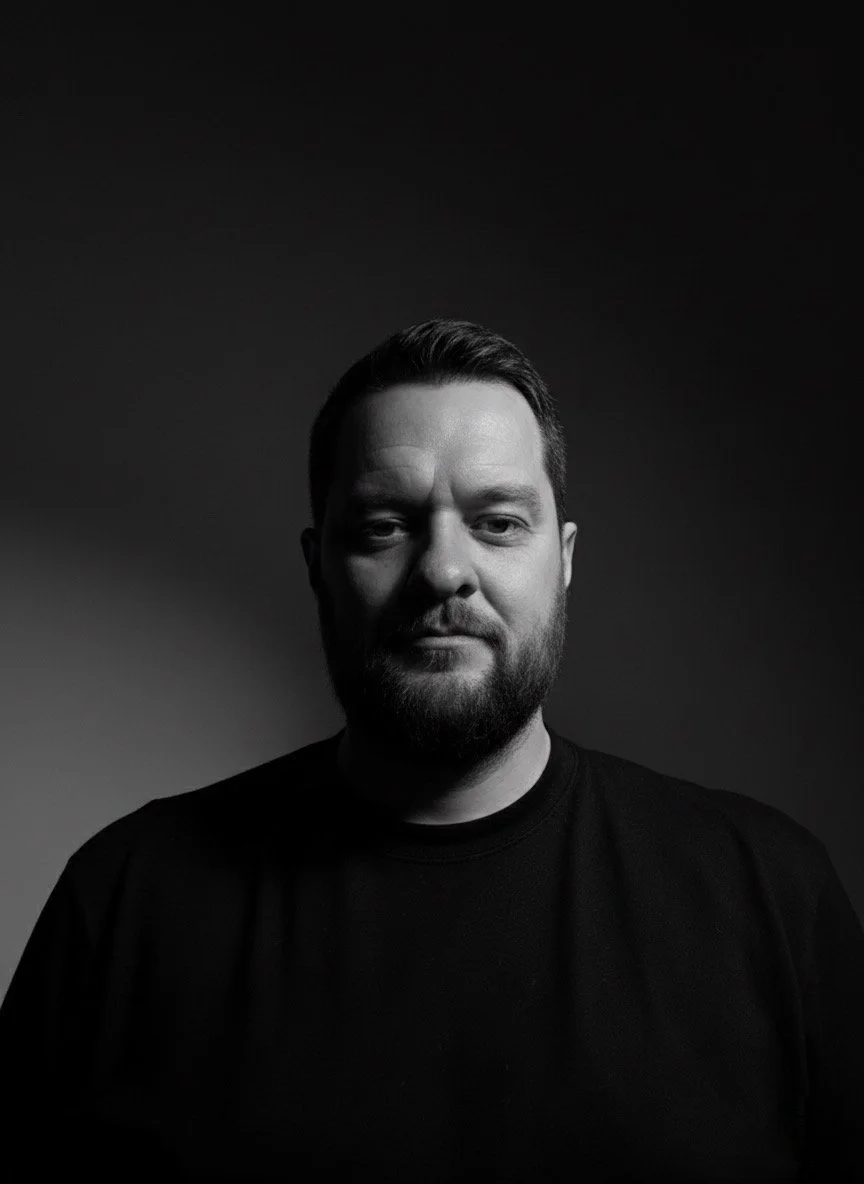
Gareth
The framework was built through years of working with people and tested against my own experience of periods when thinking became the obstacle rather than the tool. That history is part of why this practice exists.
Founder & PractitionerThe work is collaborative by design. You bring the thinking and the practitioner brings the structure and the knowledge to work through it. The aim from the first session is that you understand what is happening and why.
The first conversation costs nothing. It is also the most useful one.
Start with a free thirty minute conversation. No obligation.